What is autism spectrum disorder (ASD)? What are the symptoms? Diagnosis and support
Autism spectrum disorder (ASD) is a lifelong developmental condition. It affects how people behave and interact with the world around them.
Every autistic person is unique. No two share common behaviours and need different levels of support.
Autism can be diagnosed in people of all ages, all cultural backgrounds and economic status. ASD usually starts in infancy but it may sometimes be noticeable at 18 months or later. In other cases, ASD is only noticed much later in life.
With growing knowledge of the condition with every passing day, therapy always helps. For those along the functional end of the spectrum especially, therapy increases positive feelings such as compassion and reduces negative behaviour like self harm. It teaches skills to handle difficult situations, make healthy decisions and set goals. The aim of therapy is to increase self-awareness and build self-reliance.
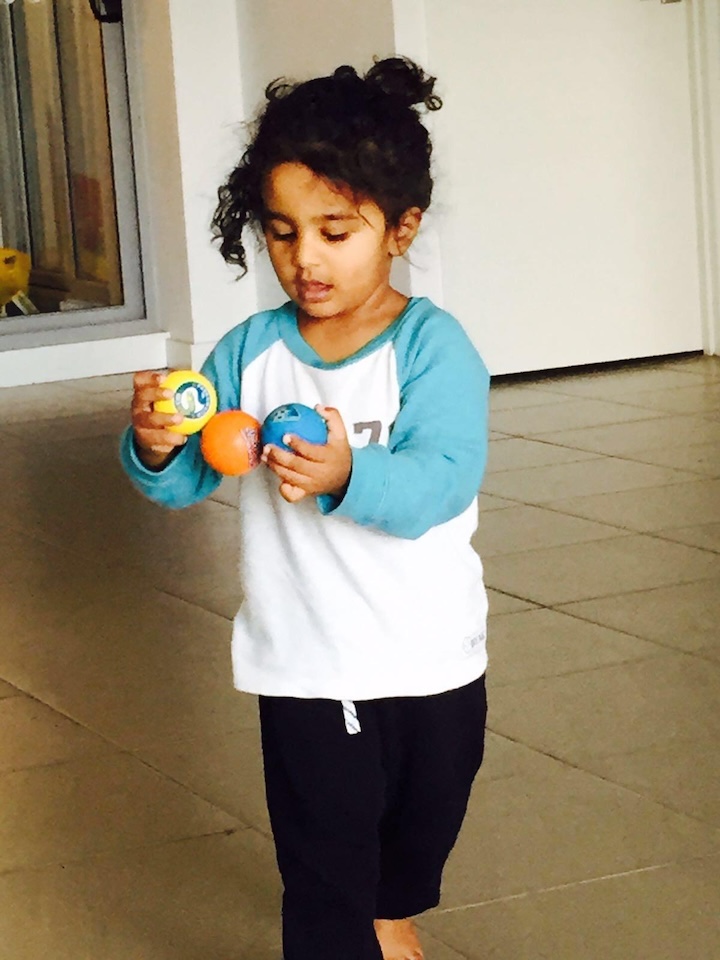
ASD symptoms are in two broad areas:
Common symptoms in children include:

Other behavioural difficulties include:
There is a range of conditions that may occur alongside ASD in children. Including:
These conditions require separate consideration and management strategies. They impact the overall progress of a child with ASD.
As kids are unique in the spectrum, there is no common or signal test for ASD diagnosis. The diagnosis is based on the child’s developmental and behavioural assessments.
Early intervention and support are crucial for children. They enable children to develop skills and improve quality of living.
Assessments are conducted by trained therapists, doctors, psychologists and psychiatrists.
Click here to find helpful diagnostic resources for children with ASD

Social and communication symptoms in adults with ASD include:
Other behavioural difficulties include:
Diagnosis involves complete assessment conducted by a psychologist and/or psychiatrist. Adults with ASD are more likely to experience mental health issues.
Support for ASD adults is leveraged through counselling, therapy, training and advocacy.
High functional ASD adults work on self-advocacy to understand their strengths and challenges and prioritise steps to manage ASD.
Click here to find helpful diagnostic resources for adults with ASD
Call 921-124-9220 and book an appointment now.
Join the Online Session This Week Wednesday 2 pM